Master the Road: Premier Driving Lessons and Tutorials for First-Time Drivers
Managing the path of becoming a competent driver can be overwhelming for new beginners. Choosing the right driving course is essential, as it shapes the groundwork of their driving education. Numerous options exist, from one-on-one instruction to web-based classes. Each offers specific benefits designed for individual needs. Knowing what to expect in beginning lessons and fundamental skills is important. However, the primary question remains: how can new drivers ensure they are truly equipped for the road to come?
How to Pick the Ideal Driving Class for Your Goals
How can someone find the best driving course to suit individual requirements? Choosing the most appropriate driving program means considering personal needs, such as previous knowledge, preferred learning approach, and time constraints. Those new to driving should think about whether they favor classroom or virtual learning, as well as the ability to arrange sessions around their schedule. In addition, reviewing the standing of local driving schools through feedback and recommendations can provide insight into their effectiveness.
Cost is another important consideration; understanding the fees associated with different programs confirms the choice aligns with monetary boundaries. Additionally, prospective students should inquire about the credentials of teachers, as experienced teachers can greatly enhance the learning experience. In addition, aspiring road users should determine any particular abilities they aim to master, such as motorway driving or hazard awareness. By thoroughly examining these considerations, individuals can make an educated choice that suits their personal driving goals and circumstances.
What Are the Various Types of Driving Lessons?
While considering the numerous forms of driving instruction available, new drivers have the option of one-on-one driving lessons, group sessions, or online programs. Each option offers unique advantages based on personal learning styles and availability. Understanding these differences is essential for selecting the most suitable approach to mastering driving skills.
Personal Driving Lessons
Many new drivers seek private driving lessons to develop their driving skills and self-assurance. This type of instruction usually delivers individual teaching, facilitating individualized training adapted to every learner's specific needs. Teachers frequently adjust their instructional approaches in response to the pupil's learning speed, focusing on particular challenges, including parallel parking or motorway driving.
Individual driving lessons differ in length, regularity, and difficulty, making them suitable for people who require an adaptable timetable or require focused training before their road exam. Furthermore, certain driving academies provide specialized lessons, such as advanced safety driving or readiness training for specific licensing exams. Overall, private driving lessons function as a valuable resource for novice drivers aiming to improve their driving skills and awareness of safe driving practices.
Driving Classes for Groups
What options do new drivers have when it comes to group driving classes? Group driving classes create a shared learning environment where numerous participants receive guidance together. These courses generally feature classroom lessons that address traffic regulations, safety guidelines, and vehicle handling. Students then take part in hands-on driving lessons under the guidance of a certified instructor.
There are various formats for group classes, from community-based programs to driving school offerings. Some programs may be designed for particular demographics, including teens or senior drivers, whereas others may accommodate beginners across all age groups. These programs not only impart fundamental driving skills but also cultivate a spirit of camaraderie between attendees, enriching the educational journey for all involved.
Internet-Based Driving Courses
While traditional driving classes remain popular, online driving courses have become a convenient solution for new drivers looking to develop fundamental driving abilities. These courses commonly address a range of topics, including road regulations, defensive driving methods, and risk identification. Available in various formats, they often include recorded lessons, practice assessments, and supplemental resources. Some programs even provide real-time instructor assistance, giving students the ability to address concerns as they arise. Additionally, online courses offer the flexibility to suit unique learning needs, making them ideal for those with demanding schedules. While they may lack the hands-on experience of in-car lessons, many online courses complement practical driving sessions, providing a thorough approach to driver education. Their flexibility makes them a popular choice among aspiring drivers.
What to Expect in Your First Driving Lesson
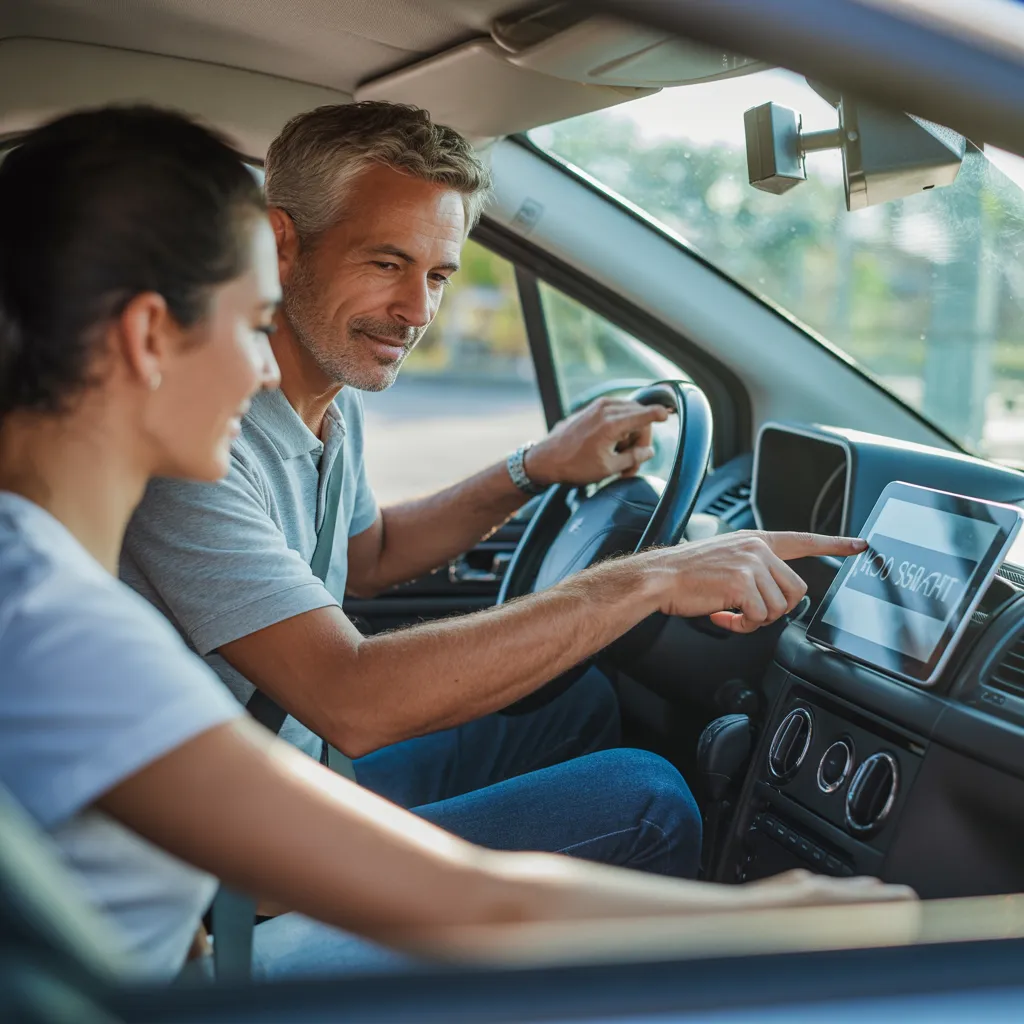
In a novice driver's first session, the driving instructor usually presents the car's controls and reviews fundamental safety rules. This foundational overview helps students understand the importance of safety while behind the wheel. As they begin to practice, new drivers will likely concentrate on elementary driving skills and situational awareness.
Introductory Lesson Overview
Curious about what to expect from your first driving lesson? First-time drivers will find a comprehensive overview to the vehicle and essential driving concepts. Usually, the instructor starts with a quick overview, explaining the car's controls and safety features. Learners will be shown how to adjust mirrors, fasten seatbelts, and understand dashboard indicators. The class generally focuses on a concentration on fundamental techniques such as igniting the engine, maneuvering the vehicle, and using the brakes. Teachers frequently highlight the significance of staying focused and obeying traffic signs. By the end of the session, new drivers get the opportunity to drive in a protected, open space, steadily developing their self-assurance. Essentially, the first class acts as a fundamental stepping stone, created to gently guide novices into the driving experience.
Key Safety Guidelines
After the initial lesson focused on vehicle orientation and basic maneuvers, novice drivers should familiarize themselves with critical safety guidelines to promote a secure time on the road. To begin with, they should always fasten their seatbelts and ensure every passenger follows suit. Knowing how to operate the vehicle's controls, including headlights, wipers, and turn signals, plays a critical role in maintaining clear communication on the road. Preserving an adequate following distance is key to avoiding collisions, and adhering to speed limits significantly improves driving safety. New drivers should also stay alert, avoiding distractions such as mobile devices. Furthermore, employing defensive driving methods—identifying potential risks ahead of time and staying prepared to act—will meaningfully enhance their overall driving safety. Applying these recommendations ensures a dependable groundwork for cultivating safe and responsible driving practices.
Key Skills Every New Driver Must Master
Mastering essential driving skills is essential for new drivers as they handle the demands of the roadway. Most importantly, new drivers must develop proficiency in controlled steering, braking, and accelerating to maintain control. Understanding traffic signs and signals is also essential, as it ensures adherence to traffic laws. New drivers should also practice appropriate lane transition and merging procedures, which are crucial for safe navigation.
Additionally, parking skills, encompassing navigating tight spaces and parallel parking, develop overall driving competence. Defensive driving techniques play an important role in anticipating hazards and responding appropriately to other road users. Beginning drivers should also become acquainted with their car's controls and functions, including headlights, windshield wipers, and hazard signals.
In the end, developing these abilities builds confidence, empowering new drivers to make well-informed choices and promote safer roads. Prioritizing these abilities creates a firm foundation for lifelong responsible driving habits.
A Comparison of Online and In-Person Driving Lessons
As novice drivers evaluate their alternatives for education, the decision between virtual and traditional driving lessons becomes a crucial decision. Virtual driving courses provide convenience, permitting pupils to progress according to their own timeline. These courses often include interactive modules, videos, and quizzes that address diverse educational approaches. However, the shortage of live instruction and physical practice may limit the progress of some drivers.
By comparison, face-to-face driving lessons provide direct interaction with instructors, facilitating prompt feedback and individualized instruction. This practical method can help build essential skills more effectively, as students train under real-world driving circumstances. Additionally, in-person lessons foster a sense of accountability and commitment.
At the end of the day, the choice is influenced by each learner's study habits, schedules, and personal comfort. A hybrid method, incorporating both web-based theoretical instruction and practical in-person training, can provide a balanced solution for many new drivers, guaranteeing a complete understanding of driving fundamentals.
Important Strategies for Gaining Confidence While Driving
Gaining confidence as a driver is a fundamental component of mastering the art of driving, especially for individuals who have recently wrapped up their driving courses. One effective technique is to build experience through frequent practice in different locations, including busy streets, highways, and quiet neighborhoods. Such varied experience allows new drivers to adapt to diverse road situations. Another helpful method is to set achievable goals, such as becoming proficient at parallel parking or handling complex junctions, which can strengthen their feeling of progress and achievement.
Furthermore, riding alongside a supportive companion or relative can provide encouragement and constructive feedback, making it easier to overcome driving anxiety. New drivers are additionally encouraged to study vehicle controls and safety features, promoting a greater familiarity with their automobile. Lastly, maintaining a positive mindset and visualizing successful driving experiences can greatly improve confidence. Combined, these strategies establish a strong basis for novice drivers, enabling them to approach the road with greater assurance.
How to Prepare for Your Driving Test: Tips for Passing
Although the idea of taking a driving test can be daunting, proper preparation can greatly enhance a new driver's chances of success. To begin with, studying the driving handbook is crucial, as it includes important details about road signs, traffic laws, and regulations. Booking training sessions with an experienced instructor can help sharpen critical skills, such as parallel parking and lane changes. Moreover, new drivers would benefit from getting to know the testing route, when feasible, in order to minimize stress on the day of the test.
An additional key consideration is practicing defensive driving techniques, which can make a strong impression on examiners. When the day of your examination arrives, it's wise to arrive early, giving yourself plenty of time to unwind and concentrate. Staying composed during the entire examination is critically important; nervousness can lead to mistakes. Finally, projecting confidence while maintaining open dialogue with the examiner can make a lasting good impression, Driving Lesson ultimately helping you achieve a successful test result.

Frequently Asked Questions
What Are the Typical Prices for Driving Classes?
Driving lessons usually fall between $50 to $150 per session, based on the instructor and area. Package deals may provide savings, while supplementary costs for resources or permits can add to the final price.
Am I Able to Take Driving Lessons if I'm Under 18?
Absolutely, young people under 18 are able to enroll in driving lessons. A large number of driving schools have programs specifically designed for adolescents, usually including a mix of theoretical training and behind-the-wheel practice to guarantee complete understanding and safe driving habits.
What Do I Need to Bring to My Driving Lessons?
A learner needs to have a valid learner's license, a notebook to jot down important information, appropriate and comfortable attire, and all necessary documentation. Moreover, having a writing utensil, hydration, and light snacks can make the driving lesson more enjoyable and productive.
Are Discounts Available for Group Lessons?
Several driving schools extend reduced rates for group sessions, prompting loved ones to train together. These savings will differ, so it is beneficial for prospective students to inquire directly with the particular driving institution for further information.
How Much Time Is Needed to Finish Driving Lessons?
Typically, completing driving lessons takes around 4 to 6 weeks, subject to the individual's availability and the frequency of lessons each week. Elements like previous experience and the speed of learning can also affect this timeframe.